Fall Siding Replacement in Wisconsin: Why Now Beats Next Spring
Quick answer: Fall is one of the best times to replace siding in Wisconsin. Temperatures between about 40°F and 70°F keep vinyl flexible and let caulk and paint cure, and finishing before November means your home is sealed before snow, ice and freeze-thaw cycles start working on damaged siding. In southern Wisconsin, that window usually closes by late November.
Every fall, we hear the same thing from homeowners around Fort Atkinson: “We meant to do the siding this year.” Then the leaves come down, the first hard frost hits, and the project slides to spring. Meanwhile, that cracked panel on the north wall spends another winter letting snowmelt into the wall.
If siding has been on your list, the next several weeks are the time to act. Here is why fall is such a good season for siding replacement in Wisconsin, what changes once the weather turns cold, and what to expect if you call now.
Want to get on the schedule before winter? Call Schloesser Construction at 920-563-8364 for a FREE siding estimate.
Why Fall Is the Sweet Spot for Siding in Wisconsin
Summer gets the attention, but experienced siding crews often prefer fall. Here is what works in your favor this time of year:
- Ideal installation temperatures. Vinyl siding installs best above 40°F, when panels are flexible and lock together cleanly. Fall days in the 40s, 50s and 60s are right in that range without the extreme summer heat that makes panels expand.
- Caulk, sealants and paint cure properly. Sealants and exterior paints have minimum application temperatures, and many need those temperatures to hold for at least 24 hours. Mild fall days give them time to set before winter.
- Lower humidity. Drier fall air is easier on exposed sheathing and housewrap during the tear-off and installation process.
- Problems get fixed before freeze-thaw season. Once old siding comes off, we can see and repair soft sheathing, water damage or missing flashing. Doing that in October means the wall is sound before months of freezing and thawing.
- Your home is ready for spring. If you are thinking about selling in 2027, finishing now means new siding is already in your listing photos when the market picks up.
Can You Install Siding in Winter? It Depends on the Material
Siding can be installed in cold weather, but it is slower, demands more care, and each material reacts differently. Here is how the main options we install behave as temperatures drop.
Vinyl Siding
Vinyl contracts in the cold and becomes stiffer and more brittle. Below about 40°F, panels crack more easily when they are cut, nailed or dropped. Industry guidelines also call for a wider expansion gap in cold weather: 3/8 inch where siding meets corner posts and channels instead of the usual 1/4 inch, because the panels will grow as temperatures rise. A crew that does not adjust for the cold can leave you with buckling or wavy siding next summer.
Fiber Cement Siding
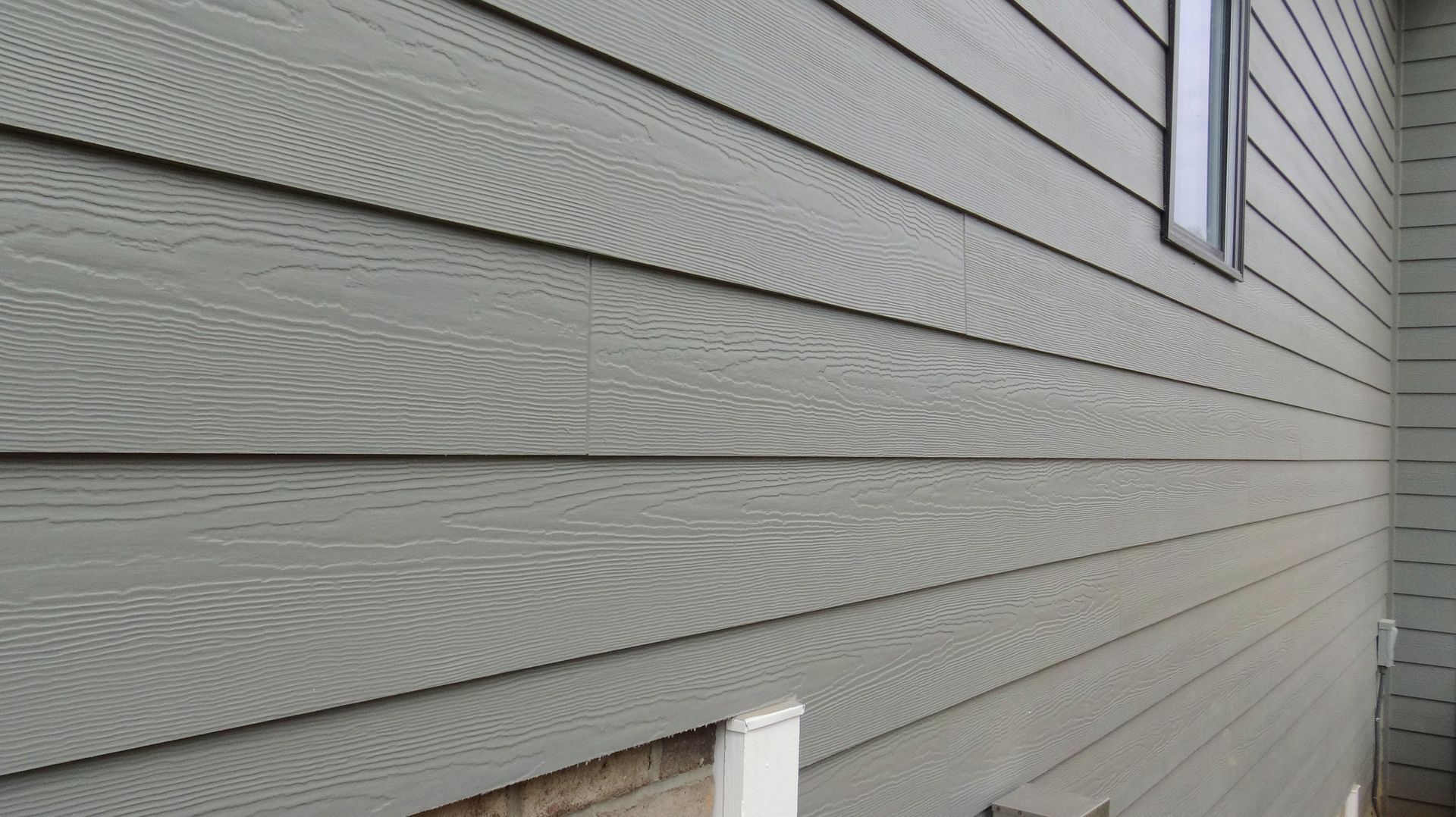
Fiber cement does not get brittle the way vinyl does, so the boards themselves handle cold well. The limits are the finishing steps. Joint caulk and any paint applied on site have minimum temperatures listed on the product label, and both need dry conditions to cure. Prefinished fiber cement reduces how much painting has to happen on site.
LP SmartSide Engineered Wood
LP SmartSide is popular in Wisconsin for its wood look and impact resistance. Like fiber cement, the boards install fine in cool weather, but the sealants and field paint must stay within their manufacturers’ temperature ranges. Some low-temperature exterior paints can be applied down to about 35°F, but standard products often need warmer conditions. Prefinished boards help here too.
Wood Siding
Natural wood is the least forgiving in the cold. It needs to be primed and painted or stained, and that work depends on warm, dry days. If you want real wood siding, plan for fall or late spring.
Beyond the materials, Wisconsin winters add practical problems: snow on the ground around your foundation, icy ladders and scaffolding, and short days that cut into working hours. Those all stretch the schedule. That is why most homeowners are better off finishing in fall.
The Real Cost of Waiting Until Spring
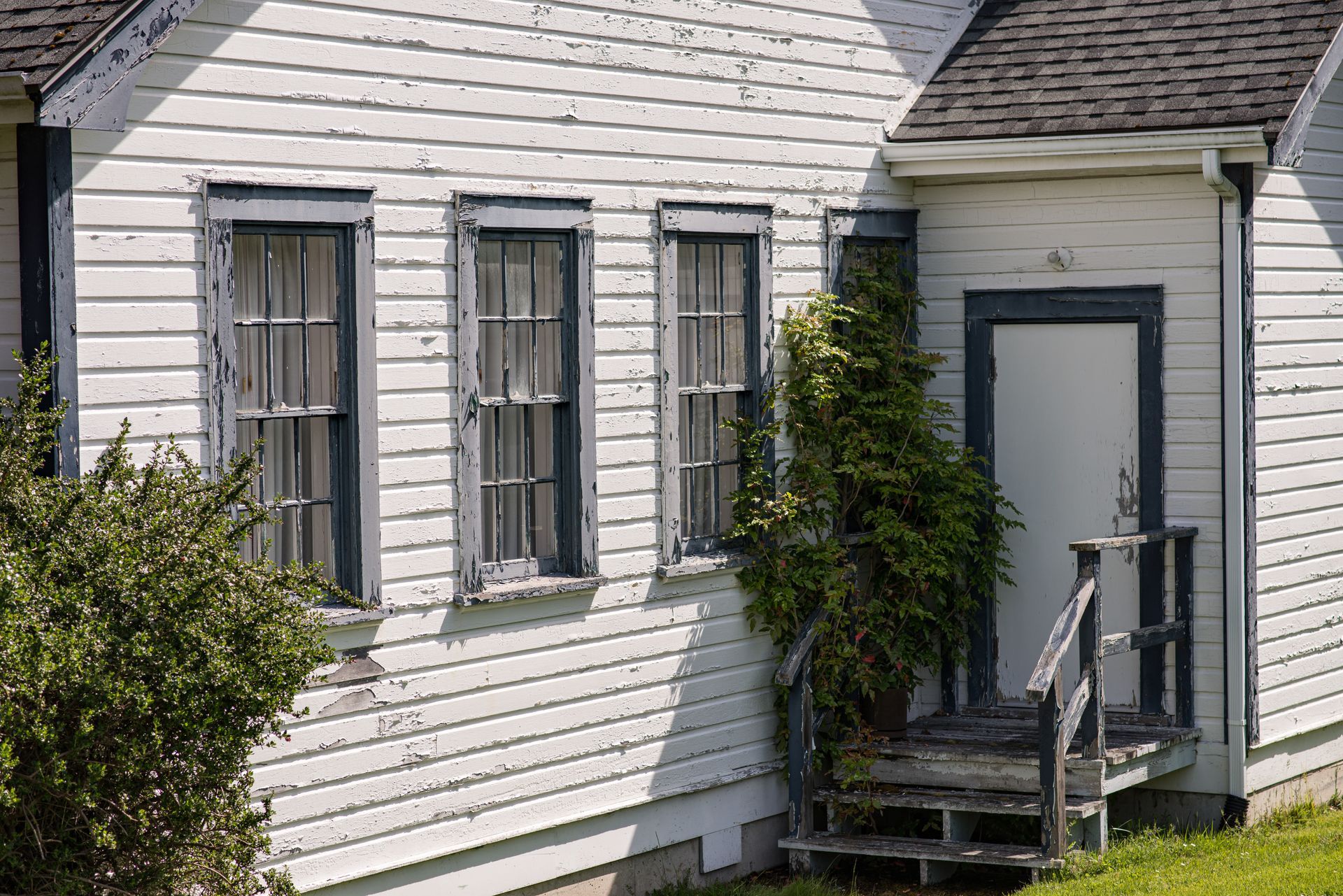
If your siding is just faded, waiting a few months is mostly a cosmetic decision. If it is damaged, winter can turn a siding job into a bigger repair. Here is what can happen over a Wisconsin winter:
- Water gets behind the siding. Cracked, loose or missing panels let snowmelt and wind-driven rain reach the sheathing and framing.
- Freeze-thaw makes small gaps bigger. Water that seeps in freezes, expands and pushes gaps wider, cycle after cycle.
- Rot and mold develop out of sight. Trapped moisture in the wall cavity can soften sheathing and grow mold before you see any sign of it indoors.
- Pests move in. Mice and insects look for shelter as temperatures drop, and gaps in siding are an easy way in.
- Heat escapes. Damaged siding and missing housewrap let cold air into your walls, which your furnace has to make up for.
A spring project on a wall that has been leaking all winter often includes sheathing replacement that a fall project would have avoided.
5-Minute Fall Siding Check for Wisconsin Homeowners
Walk around your home this weekend and look for these warning signs. If you find more than one or two, it is worth getting a professional opinion before winter:
☐ Cracked, warped or buckled panels, especially on the north and west sides
☐ Loose or missing pieces after summer storms
☐ Soft spots when you press on the siding or trim
☐ Peeling paint, stains or streaks below windows and along the bottom course
☐ Gaps around windows, doors, outlets or vents
☐ Mold, mildew or moss on the siding surface
☐ Peeling paint or water stains on interior walls with no other explanation
What to Expect If You Call in October
We keep the process simple so you can make a confident decision without losing the season:
1. Free in-home estimate. We inspect your current siding, talk about your goals and budget, and give you a clear, written price.
2. Choose your materials in our showroom. Compare vinyl, fiber cement and LP SmartSide samples in person at our Fort Atkinson showroom, one of the few in the area.
3. Preview your new look. Our digital visualization tool shows how different siding styles and colors will look on your actual home before you commit.
4. Ordering and scheduling. Material lead times vary, which is why getting your estimate early in fall matters.
5. Tear-off, inspection and repair. We remove the old siding, inspect the sheathing and fix any damage before anything new goes up.
6.
Installation and final walkthrough. Our crew installs your siding with careful flashing and weatherproofing, cleans up, and walks the finished job with you.
Doing Windows Too? Fall Is the Time to Pair Them
If your
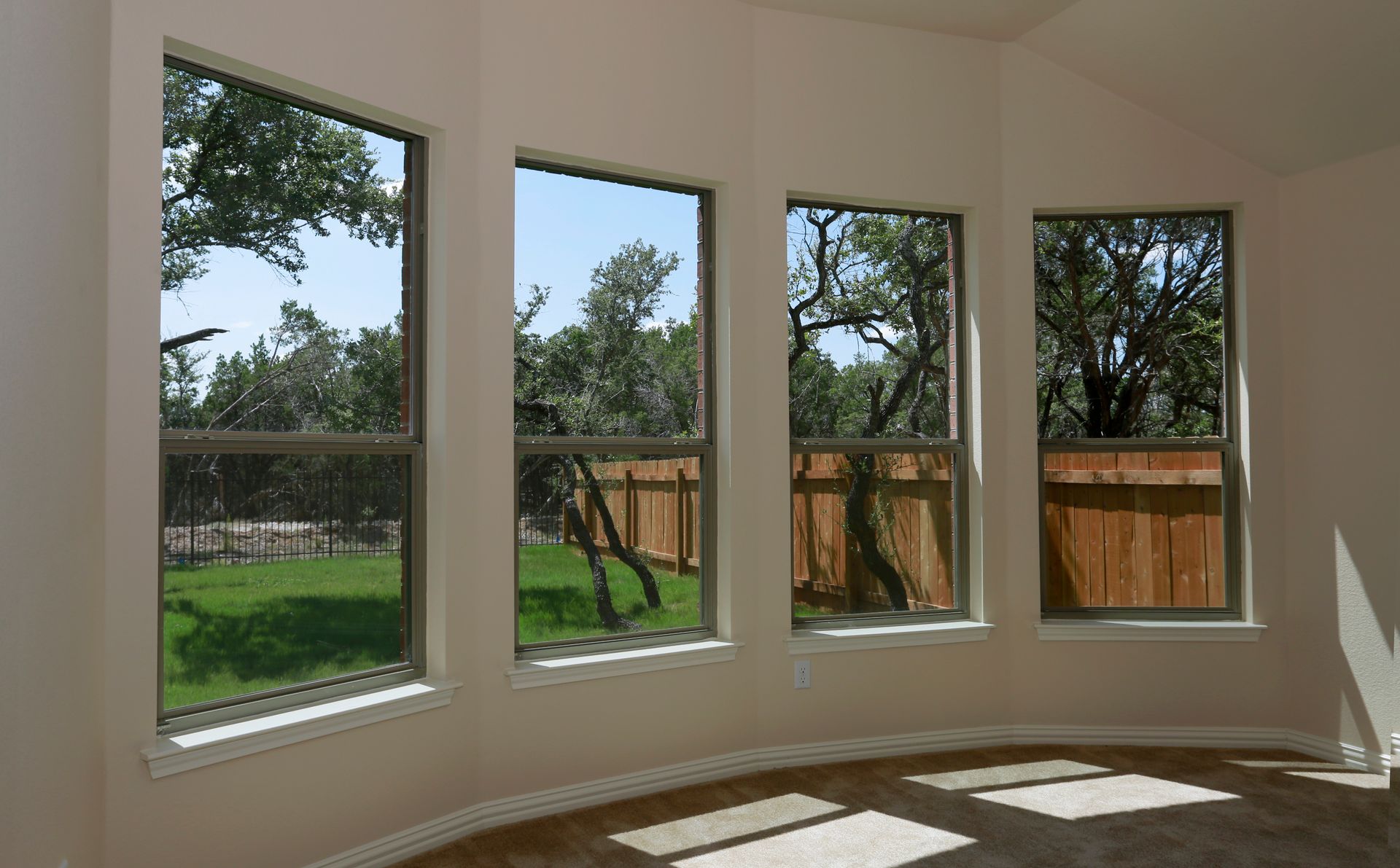
windows are also near the end of their life, replacing them during a siding project often makes sense. With the old siding off, the crew can flash and integrate the new
windows and trim properly, which gives you a tighter, more weather-resistant exterior. Schloesser Construction installs both, so you work with one team instead of coordinating two contractors.
Is New Siding Worth It? What the Numbers Say
Siding is one of the few home improvements that pays back close to its full cost when you sell. According to the 2025 Cost vs. Value Report from Zonda, which tracks remodeling costs and resale value across 119 U.S. markets:
| Project (national average) | Avg. job cost | Cost recouped at resale |
|---|---|---|
| Fiber cement siding replacement | $21,485 | 113.7% |
| Vinyl siding replacement | $17,950 | 96.5% |
Source: Zonda, 2025 Cost vs. Value Report. National averages; local costs and returns vary.
Beyond resale, new siding means better protection for the structure, fewer drafts, less maintenance and a home you are proud to pull up to.
Why Fort Atkinson Homeowners Choose Schloesser Construction
- Hometown contractor. We are based in Fort Atkinson and live with the same winters you do, so we install for this climate.
- Trusted manufacturers. We install siding from Mastic, CertainTeed and LP SmartSide.
- Showroom you can visit. See and feel real samples side by side before you decide.
- See it before it is built. Our digital visualizer shows your home with new siding before installation starts.
- Honest pricing. Clear, detailed estimates with no surprise add-ons.
- Siding, windows and doors under one roof. One team for your whole exterior.
Visit our Fort Atkinson showroom: Mon–Fri, 8:00 AM to 4:00 PM | N 1290 Poeppel Rd., Fort Atkinson, WI 53538
Frequently Asked Questions: Fall Siding Replacement in Wisconsin
These are the questions homeowners in Fort Atkinson, Jefferson, Janesville, Watertown, Whitewater and nearby communities ask us most this time of year.
Is fall a good time to replace siding in Wisconsin?
Yes. September through mid-November is one of the best times to replace siding in Wisconsin. Daytime temperatures in the 40s to 60s keep vinyl flexible and let caulk and paint cure properly, humidity is lower than summer, and the new siding is sealed and protecting your home before freeze-thaw cycles and snow arrive. Fall is also when contractors can still fit projects in before winter weather limits the schedule.
Can siding be installed in winter in Wisconsin?
Siding can be installed in cold weather, but it requires extra care and some materials are more forgiving than others. Vinyl becomes stiffer and more prone to cracking below about 40°F, so installers must handle it carefully and leave a wider 3/8-inch expansion gap at trim and corners. Fiber cement and LP SmartSide can be installed in the cold, but caulk and any field-applied paint have minimum temperatures. Snow, ice and short days also slow work, so most homeowners are better served by finishing in fall.
What is the minimum temperature for installing vinyl siding?
Most manufacturers and industry guidelines treat 40°F as the threshold for vinyl siding. Above 40°F, installers leave a standard 1/4-inch gap where siding meets corner posts and channels. Below 40°F, that gap should be increased to 3/8 inch because the cold, contracted panels will expand when temperatures rise. Vinyl is also more brittle in the cold, so cutting and nailing must be done carefully.
How long does siding replacement take?
Most siding replacements on a typical single-family home take several days to a couple of weeks of on-site work, depending on the home’s size, the material, the number of windows and doors to trim around, and how much repair the sheathing needs once the old siding is removed. Material ordering and scheduling happen before that, which is why booking early in fall matters.
Is it worth replacing siding before selling a house?
New siding is one of the strongest resale investments a homeowner can make. In the 2025 Cost vs. Value Report from Zonda, fiber cement siding replacement recouped about 114% of its cost at resale nationally and vinyl siding replacement recouped about 97%. Fresh siding also removes a common inspection objection and helps listing photos stand out, which matters if you plan to sell in spring.
What happens if I wait until spring to replace damaged siding?
Waiting through a Wisconsin winter with cracked, loose or missing siding lets snowmelt and wind-driven rain reach the sheathing and framing behind it. Water that gets in can freeze, expand and widen gaps, and trapped moisture can lead to rot and mold. Gaps also give mice and insects an easy way inside as temperatures drop. A spring project may end up including sheathing repairs a fall project would have avoided.
What siding is best for Wisconsin’s climate?
Fiber cement, engineered wood such as LP SmartSide, and quality or insulated vinyl all perform well in Wisconsin when they are installed correctly. Fiber cement offers the longest life and highest resale return, LP SmartSide gives a wood look with strong impact resistance, and vinyl is the most budget-friendly and lowest-maintenance option. The right choice depends on your home, budget and how long you plan to stay.
Does Schloesser Construction offer free siding estimates?
Yes. Schloesser Construction provides free, no-obligation siding estimates for homeowners in Fort Atkinson and surrounding communities, including Jefferson, Janesville, Watertown, Whitewater, Lake Geneva, Madison and Waukesha. Call 920-563-8364 or visit the showroom at N 1290 Poeppel Rd., Fort Atkinson, Monday through Friday, 8:00 AM to 4:00 PM.
Serving Fort Atkinson and Surrounding Wisconsin Communities
Schloesser Construction serves homeowners throughout Fort Atkinson and the surrounding region, including Beaver Dam, Beloit, Brookfield, Elkhorn, Fitchburg, Hebron, Janesville, Jefferson, Lake Geneva, Lake Koshkonong, Madison, Menomonee Falls, Muskego, New Berlin, Palmyra, Rome, Sun Prairie, Watertown, Waukesha, West Bend and Whitewater, WI.
Get Your Free Siding Estimate Before Winter
The install season is short in Wisconsin, and fall calendars fill quickly. If your siding is cracked, loose, faded or simply past its prime, now is the time to get it handled so your home is protected all winter and looking its best next spring. Call today or request an estimate online.
Call: 920-563-8364
Email: info@schloesserconstruction.net
Web: www.schloesserconstruction.net/professional-siding-construction-services
N 1290 Poeppel Rd., Fort Atkinson, WI 53538 | Mon–Fri: 8:00 AM to 4:00 PM